
A wedding at the beach is not just a visual choice—it is a decision about space, atmosphere, and how people experience the celebration. Unlike traditional indoor venues, beach settings bring openness, movement, and a natural rhythm that shapes the entire event.
From the sound of waves to the changing light through the day, every element becomes part of the experience. But planning a beach wedding requires a clear understanding of costs, venue types, logistics, and how the environment affects guests.
This guide breaks down everything you need to know—so you can decide whether a beach wedding is the right fit for your vision.
Planning a Wedding at Beach: What You Need to Consider
Understanding the Nature of Beach Weddings
A beach wedding is defined by its environment. Unlike controlled indoor spaces, beaches are dynamic—affected by weather, tides, wind, and light. This means planning is less about decoration and more about adapting to the surroundings.
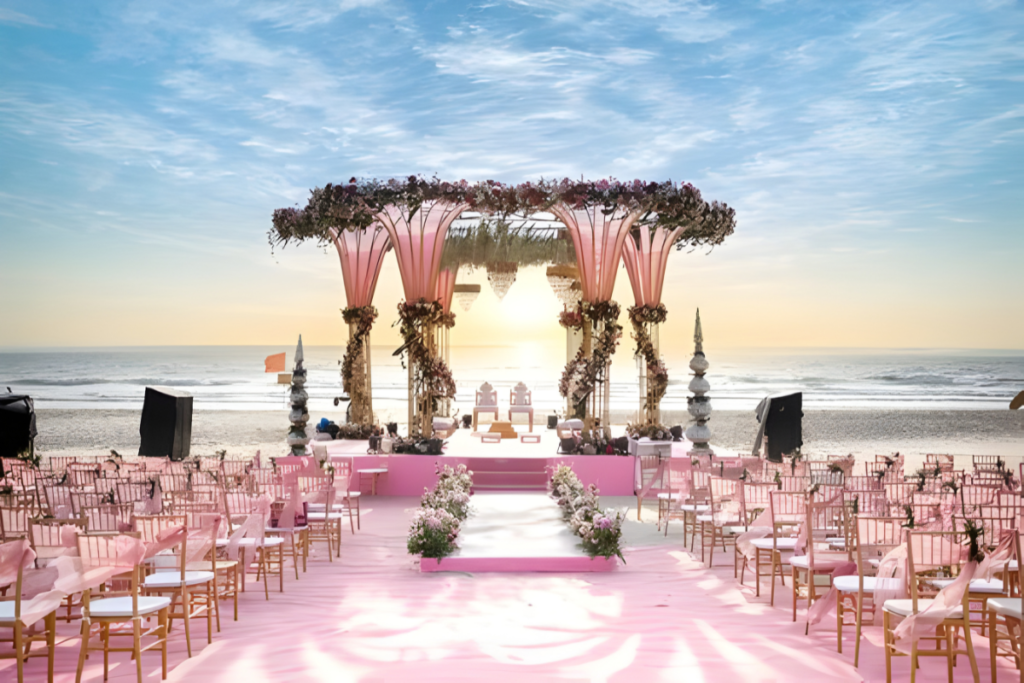
The layout must work with the natural landscape. Seating, mandap placement, and guest movement should feel aligned with the space rather than imposed on it.
Choosing the Right Time of Day
Timing plays a crucial role in shaping the experience. Early mornings offer calm weather and soft light, while evenings bring cooler temperatures and a more relaxed atmosphere.
Midday weddings, although visually bright, can be uncomfortable due to heat and humidity. Choosing the right time ensures both visual appeal and guest comfort.
Permissions and Regulations
Beach locations often come with local regulations. Depending on the area, you may need permissions for gatherings, sound systems, or temporary structures.
Understanding these requirements early helps avoid last-minute complications and ensures the event runs smoothly without interruptions.
Planning for Weather and Backup Options
Weather unpredictability is one of the key considerations for a beach wedding. Wind, humidity, or sudden changes can affect both setup and guest comfort.
Having a backup plan—such as a covered space or indoor transition option—ensures continuity without compromising the experience.
Guest Comfort and Accessibility
A beach setting requires thoughtful planning for guests. Walking on sand, exposure to sunlight, and distance from facilities can affect overall comfort.
Providing shaded areas, proper pathways, and easy access to restrooms ensures that guests can enjoy the event without inconvenience.
Cost, Venue Types & Guest Experience of a Beach Wedding
What Influences the Cost of a Beach Wedding
The cost of a beach wedding depends on multiple factors rather than a fixed price range. Key elements include:
- Location and exclusivity of the venue
- Guest count and seating arrangements
- Temporary infrastructure like flooring, lighting, and sound
- Food and hospitality arrangements
Private beach properties or curated venues typically offer better control over the environment, which can influence pricing but also enhance the experience.
Types of Beach Wedding Venues
Beach weddings can be hosted across different types of venues, each offering a distinct experience:
Private Beach Houses:
Offer privacy and controlled access, ideal for intimate weddings. These spaces allow flexibility in layout and timing.
Resort-Based Beach Venues:
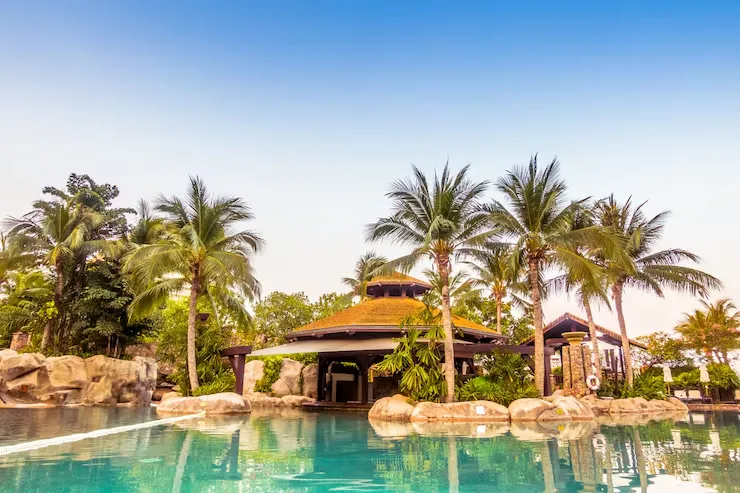
Provide built-in infrastructure and accommodation, suitable for larger gatherings. However, they may have restrictions on customization.
Open Beach Locations:
Public or semi-public beaches offer a natural setting but require more planning for logistics, permissions, and guest management.
Choosing the right venue type depends on how much control and privacy you want over the event.
Designing the Layout for Flow and Experience
In a beach wedding, layout is more important than decoration. The positioning of key elements—ceremony area, seating, dining, and movement pathways—defines how guests experience the event.
A well-planned layout ensures:
- Clear visibility for all guests
- Smooth transitions between ceremony and celebration
- Natural integration with the surroundings
The goal is to create a space that feels open yet structured.
How the Beach Setting Shapes Guest Experience
The beach naturally creates a more relaxed and immersive experience. Guests are not confined to a single space—they can move, interact, and engage with the environment.
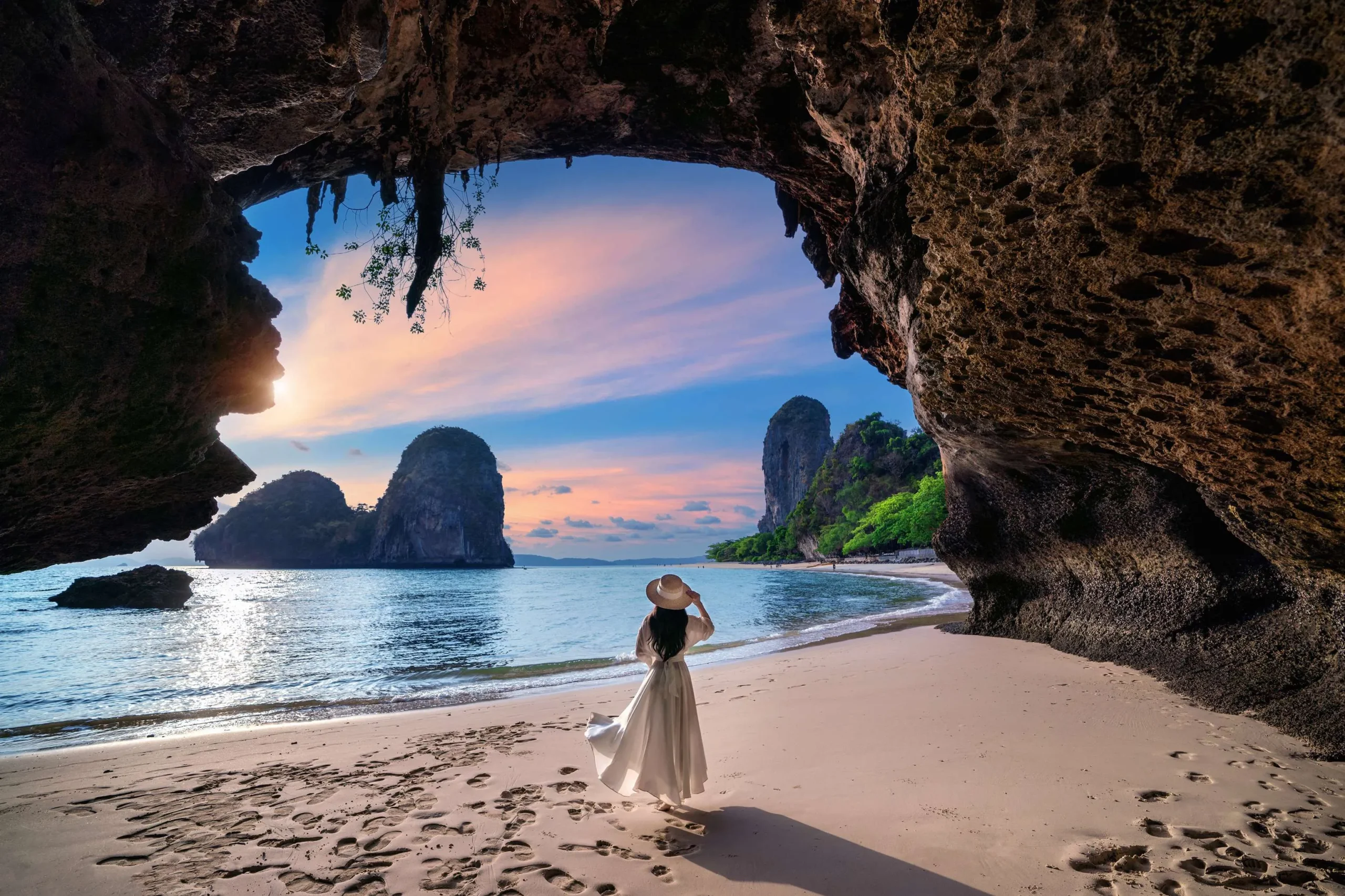
The sound of waves, open horizon, and natural lighting contribute to a setting that feels less formal and more memorable. This shift in atmosphere often leads to a more personal and connected celebration.
Managing Logistics Without Disrupting the Environment
Logistics in a beach wedding must be handled carefully to maintain the natural feel of the space. This includes:
- Discreet placement of equipment
- Minimal visual clutter
- Efficient coordination of services
The idea is to support the event without overwhelming the environment. When done right, the setup feels effortless even though it is carefully planned.
Conclusion
A wedding at the beach is not defined by luxury elements—it is defined by how the space is used. The openness, the natural setting, and the flow of the environment create an experience that traditional venues often cannot replicate.
Choosing the right venue, understanding the layout, and planning around the environment are what truly shape the event. This is where thoughtfully designed Curated Heritage Stays and Event Venues make a difference—offering spaces that are already aligned with the experience you want to create.If you are exploring options, looking into Beach Wedding Venues in Tamil Nadu can help you understand how different coastal settings influence both planning and guest experience.
FAQs
The cost of a beach wedding can vary widely depending on the location, guest count, and level of customization. Private venues and curated spaces may have higher upfront costs but often reduce logistical challenges. Overall, budgeting should consider both setup and experience rather than just venue pricing.
Beach weddings can accommodate large gatherings, but they require careful planning. Factors like seating arrangements, accessibility, and crowd movement need to be managed efficiently. Larger events often benefit from resort-based or semi-private beach venues that offer better infrastructure.
Before booking, it is important to check permissions, accessibility, available facilities, and backup options. Understanding how the space handles weather changes and guest comfort is also crucial. Visiting the location in person can provide clarity on how the event will unfold.
Weather plays a significant role in beach weddings. Wind, humidity, and temperature can impact both setup and guest comfort. Planning for these factors—through timing, layout, and contingency options—helps ensure the event remains smooth and enjoyable.
Yes, beach weddings tend to create a more immersive experience. The natural setting allows guests to feel more relaxed and connected to the event. Unlike indoor venues, the environment itself becomes part of the celebration, enhancing the overall experience.