

The upcoming Tourism Global Summit 2026 in Chennai is more than a policy event — it signals a structural shift in how tourism will be developed, funded, and scaled in Tamil Nadu. While headlines focus on visitor growth and global positioning, the deeper story lies in what this means for local businesses, hospitality entrepreneurs, and long-term investors.
For stakeholders operating in hospitality, curated stays, events, food services, transport, and experiential tourism, the summit represents opportunity — but also the need for readiness.
A Policy Shift Toward Private Participation
Tamil Nadu has historically been one of India’s strongest domestic tourism markets. However, the next growth phase is expected to be investment-led and partnership-driven. The summit is designed to strengthen collaboration between government and private enterprises.
Key signals include:
- Encouragement of public-private partnerships
- Incentives for tourism infrastructure
- Investment-friendly frameworks
- Focus on long-term sustainability
For investors, this indicates a supportive environment for structured tourism ventures rather than fragmented development.
Why Investors Should Pay Attention
Tourism is a high-multiplier industry. Capital invested in hospitality generates returns across:
- Accommodation
- Events & celebrations
- Food & beverage
- Transportation
- Local employment
- Retail & crafts
As per insights shared by Tamil Nadu Tourism, the state consistently attracts millions of visitors annually and contributes significantly to India’s overall tourism revenue. The summit aims to convert this steady inflow into high-value tourism experiences supported by better infrastructure and premium offerings.
For investors, this means moving beyond traditional hotel models toward diversified formats such as:
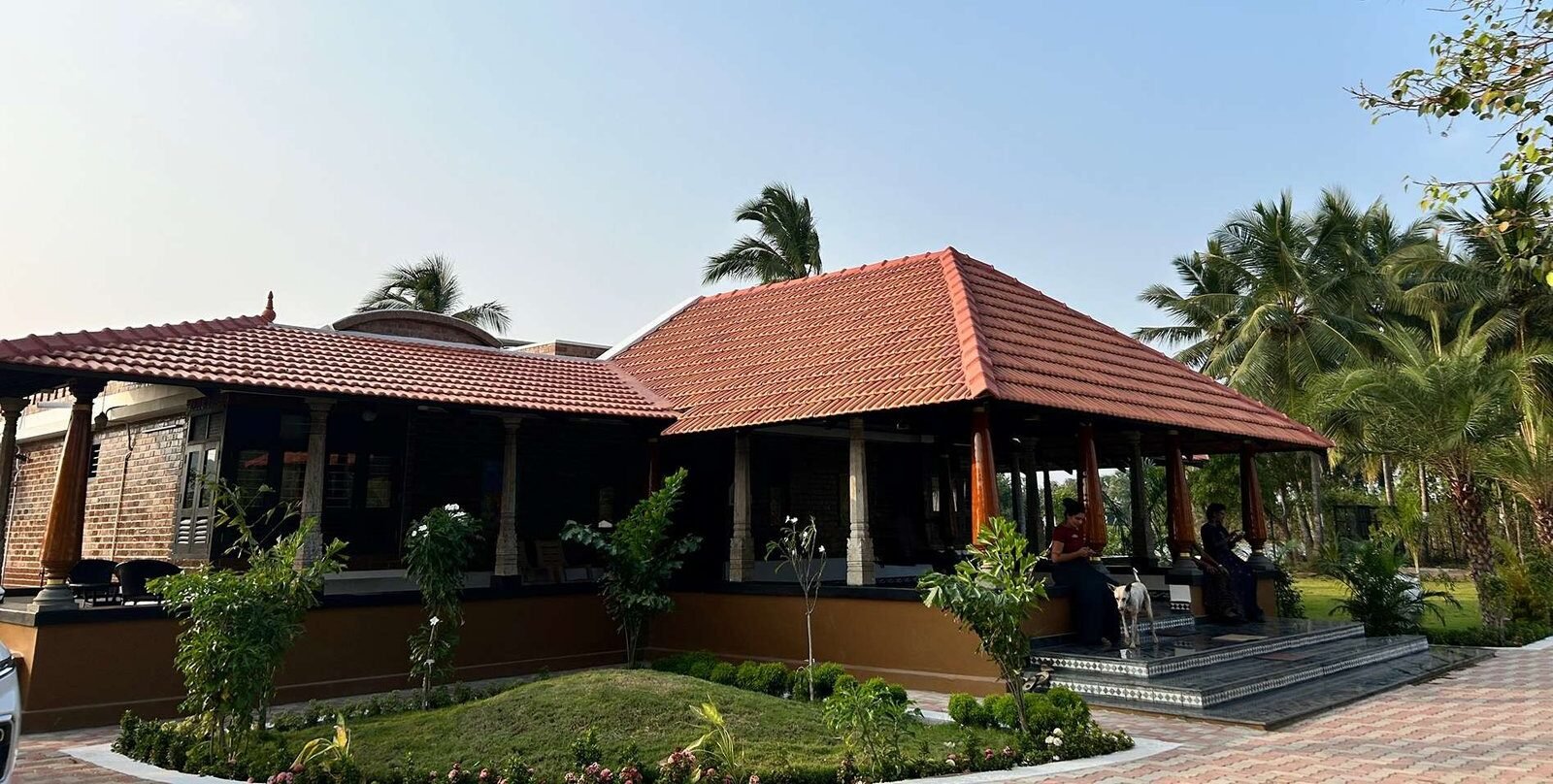
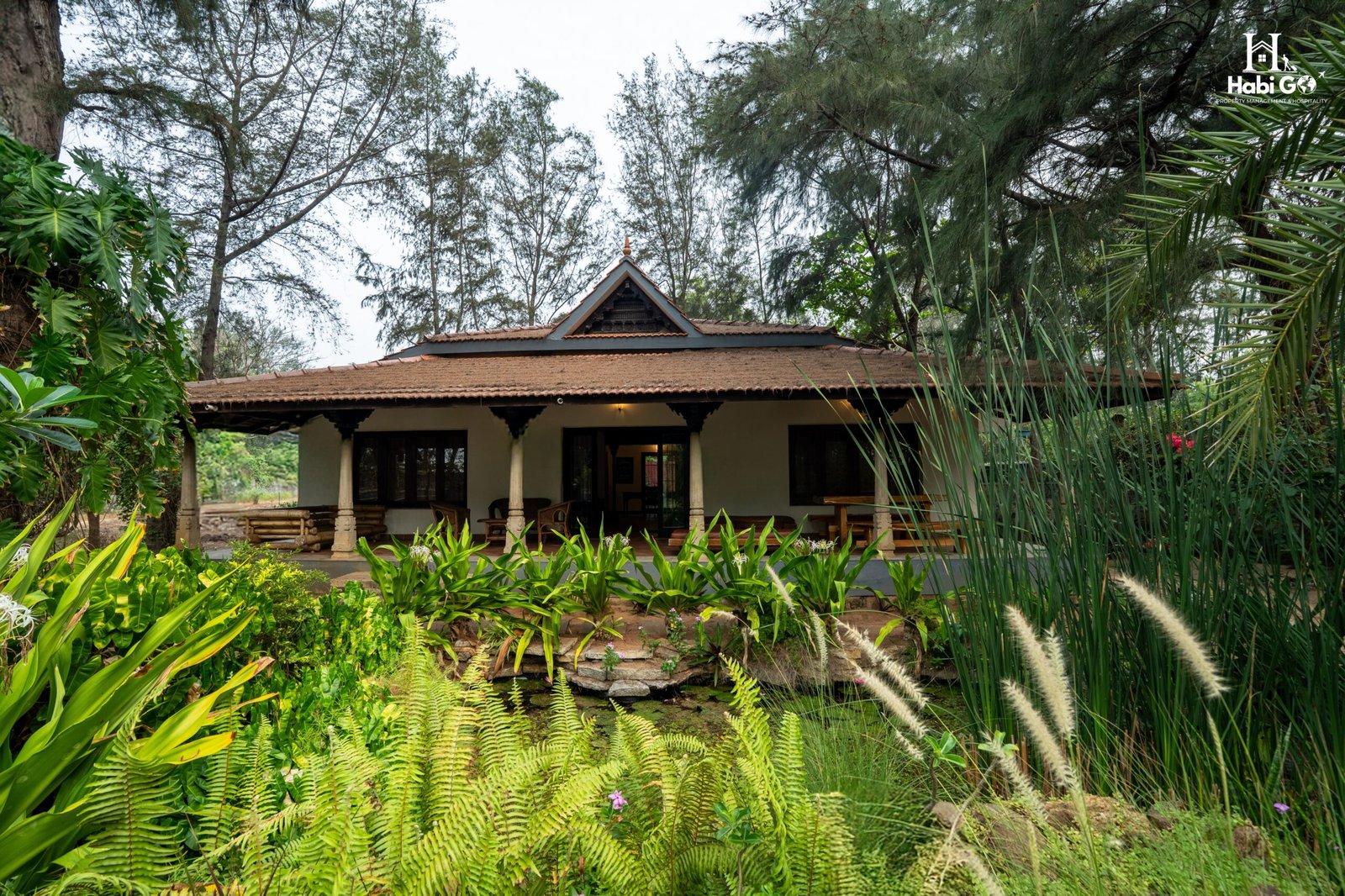
- Heritage estate conversions
- Private villas
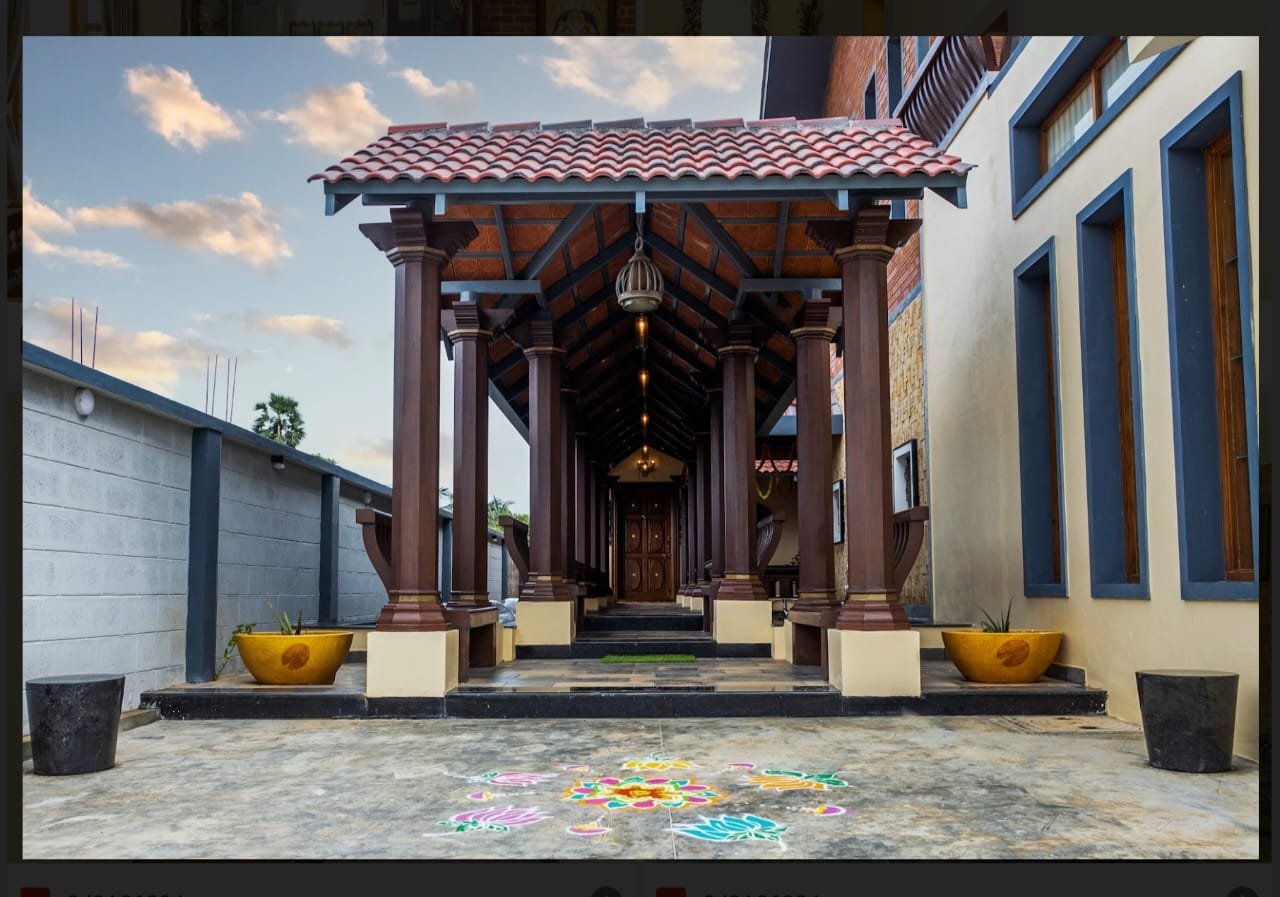
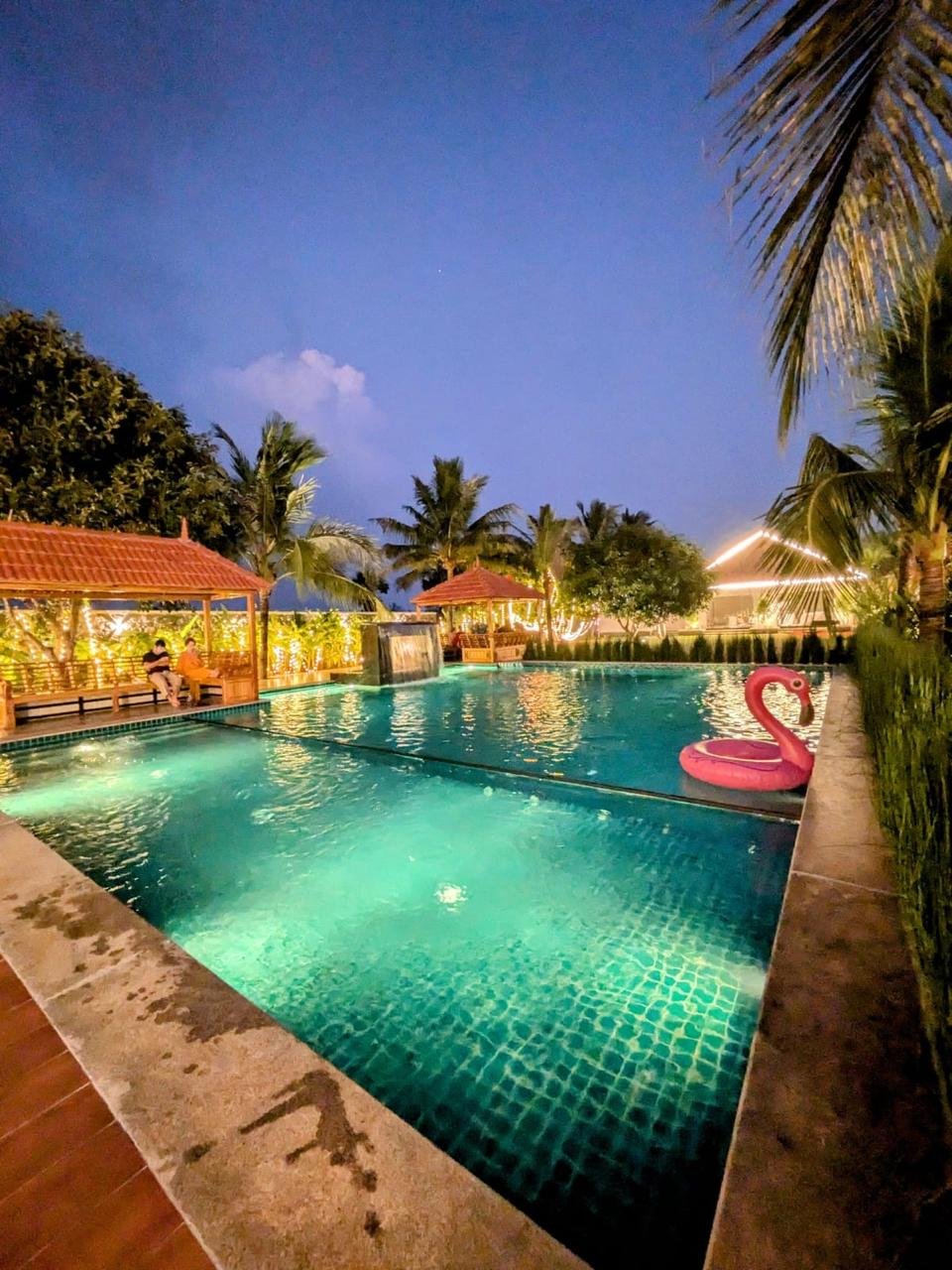
- Event-friendly estates
- Eco-tourism developments
- Corporate retreat spaces
Growing Demand for Experiential Tourism
Modern travellers seek privacy, atmosphere, and immersive environments rather than conventional hotel stays. The summit discussions are expected to emphasise:
- Boutique hospitality
- Destination wedding ecosystems
- Wellness retreats
- Farm and countryside experiences
- Curated stay formats
This aligns with evolving travel behaviour where guests prioritise space, authenticity, and comfort.
Platforms like HabiGo Ventures reflect this shift toward curated, layout-driven properties that blend stay and celebration formats — a model that fits well within future tourism expansion strategies.
What It Means for Local Hospitality Businesses
For local property owners and hospitality operators, the summit signals:
1️⃣ Increased Competition
As investment flows increase, quality benchmarks will rise. Businesses must upgrade standards, digital presence, and service design.
2️⃣ Infrastructure Improvement
Better connectivity and tourism infrastructure increase footfall and expand catchment areas.
3️⃣ Vendor Ecosystem Expansion
Event planners, caterers, decorators, photographers, and transport providers may see increased demand.
4️⃣ Formalisation & Compliance
With global visibility comes regulatory discipline. Businesses will need structured documentation, safety compliance, and professional management systems.
Corporate & MICE Opportunities
One of the most promising areas is corporate tourism.
As infrastructure improves, Tamil Nadu can attract:
- Corporate offsites
- Leadership retreats
- Product launches
- Strategy meetings
- Annual company gatherings
This opens opportunity for:
- Villa estates
- Event lawns
- Private resorts
- Hybrid stay-event properties
Investors focusing on flexible spaces capable of handling both residential and event formats may benefit significantly.
Sustainability as a Competitive Advantage
The summit’s emphasis on sustainable tourism means environmentally conscious developments will likely receive policy and market support.
Investors may consider:
- Solar-powered properties
- Water conservation systems
- Local sourcing
- Eco-sensitive construction
- Low-density developments
Sustainability is no longer branding — it is investment strategy.
The Ripple Effect on Micro & Small Businesses
Growth in tourism creates demand for:
- Local transport operators
- Cultural performers
- Food suppliers
- Event vendors
- Florists
- Artisans
When private investments scale responsibly, local economies expand organically.
Preparing for Post-2026 Growth
Businesses that prepare early may benefit the most.
Preparation checklist:
- Upgrade digital visibility
- Improve property presentation
- Develop structured pricing models
- Build vendor partnerships
- Enhance customer experience systems
- Align with sustainability standards
Investment will flow toward properties that demonstrate readiness and professionalism.
Long-Term Economic Impact
If the Tourism Global Summit achieves its objectives, Tamil Nadu could see:
- Higher international tourist inflow
- Increased per-visitor spending
- Expanded premium hospitality segment
- Growth in wedding and celebration tourism
- Corporate event market expansion
For investors, the key question is not whether tourism will grow — but which formats will lead that growth.
Conclusion
The Tamil Nadu Tourism Global Summit 2026 marks a pivotal transition from organic tourism growth to structured, investment-driven expansion. With policy support, infrastructure upgrades, and global branding initiatives led by Tamil Nadu Tourism, the ecosystem is poised for transformation.
For hospitality entrepreneurs and investors, the opportunity lies in adapting early — focusing on experiential formats, sustainable development, and spatially thoughtful properties. Emerging hospitality platforms such as HabiGo Ventures represent the type of curated, experience-focused model that aligns well with this new growth direction.
As Tamil Nadu moves toward 2026, businesses that prioritise quality, layout flow, privacy, and long-term vision may find themselves at the forefront of South India’s evolving tourism landscape.
FAQs
The summit is expected to attract private investment and improve infrastructure, which can increase tourist footfall and demand for hospitality services. This creates new opportunities for event venues, boutique stays, and related vendors.
Yes, Tamil Nadu consistently ranks among India’s top tourism states. With diverse attractions and strong domestic visitor numbers, it offers a stable base for future growth.
Hospitality, destination weddings, corporate retreats, eco-tourism, and experiential travel segments are likely to benefit significantly from structured investment and policy support.
Yes, the event is designed to position Tamil Nadu on the global tourism map, encouraging international collaborations and partnerships.
While competition may increase, infrastructure improvements and higher demand can also create broader market opportunities. Businesses that upgrade quality and compliance standards are likely to thrive.