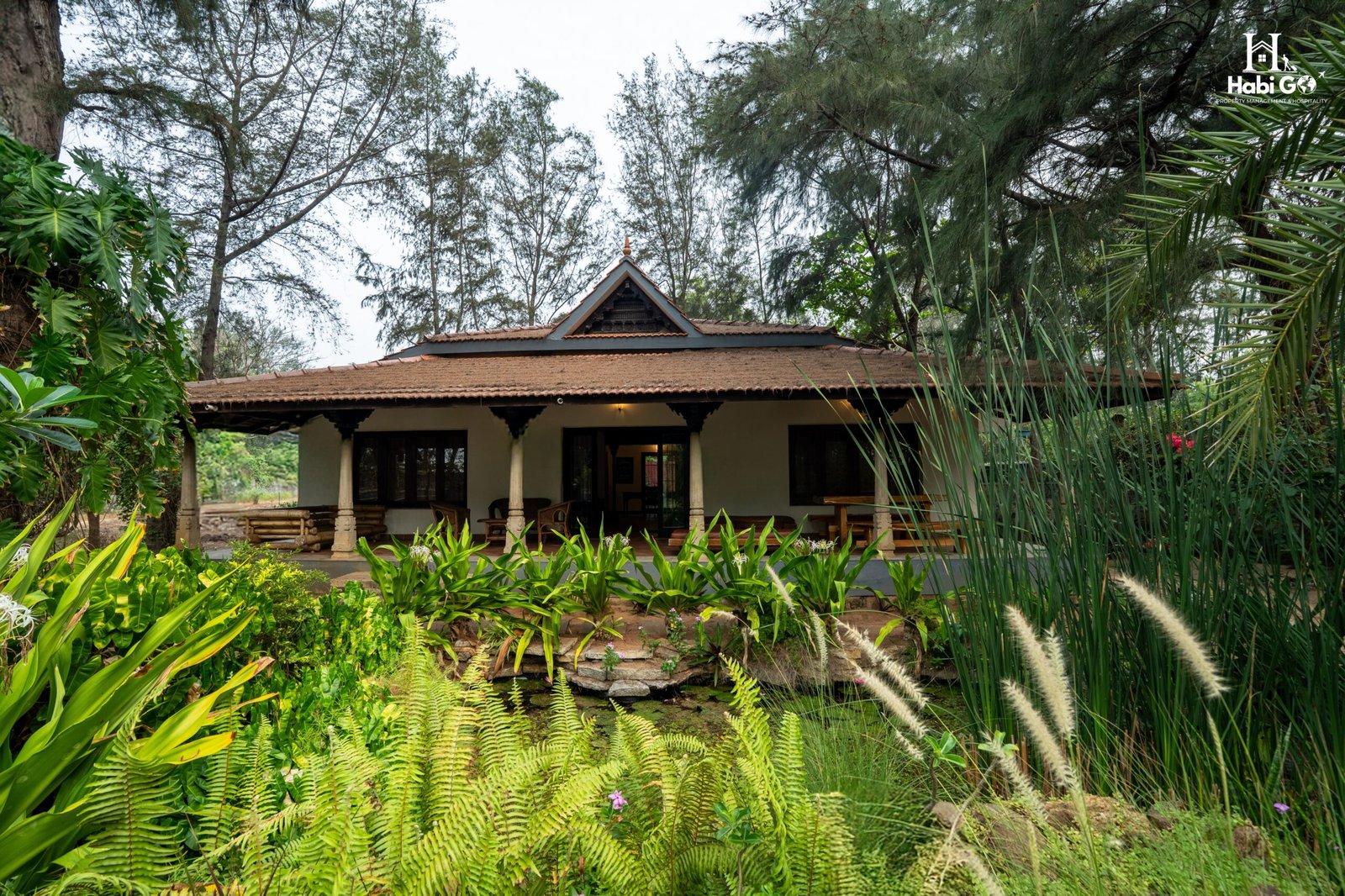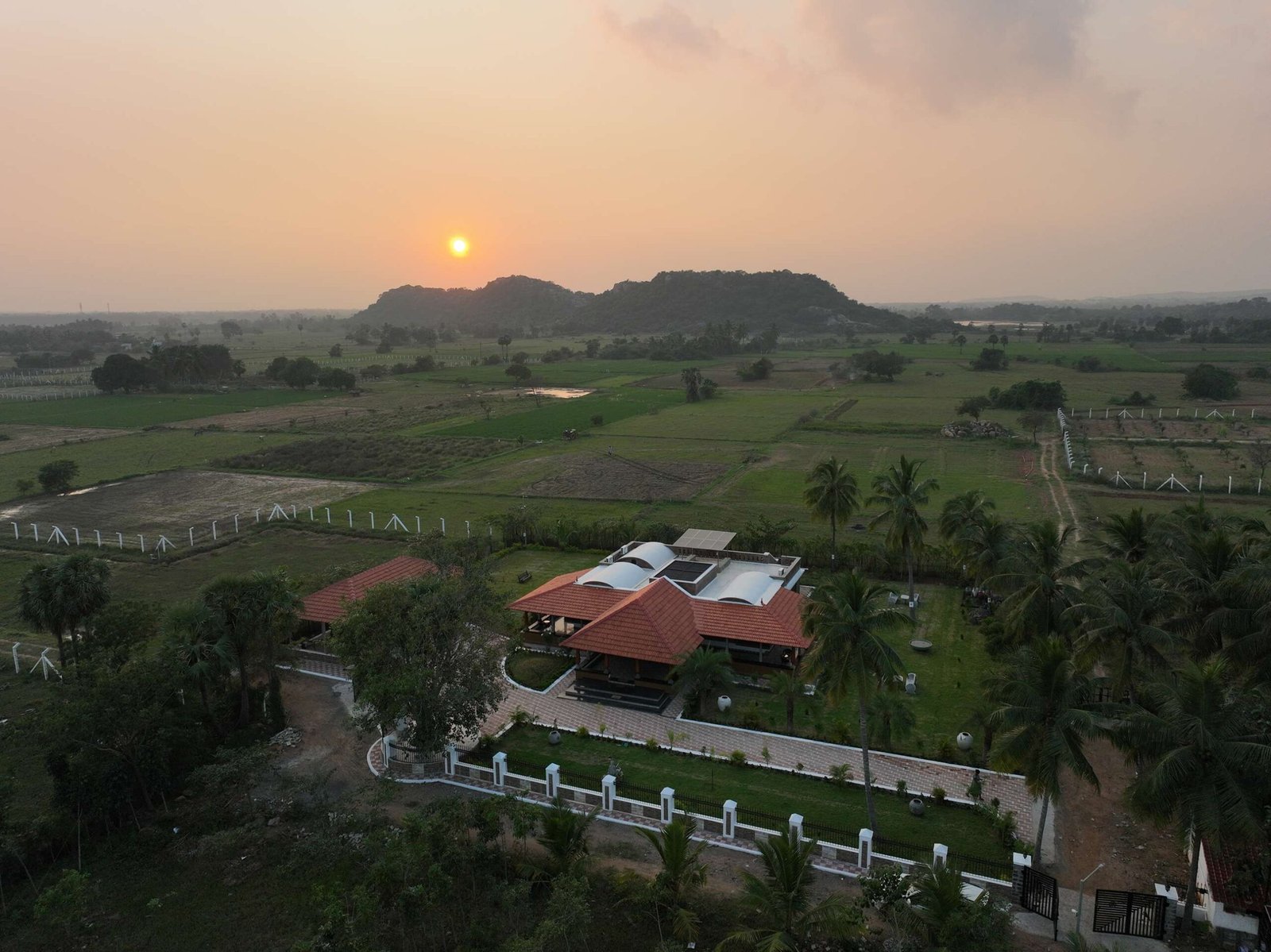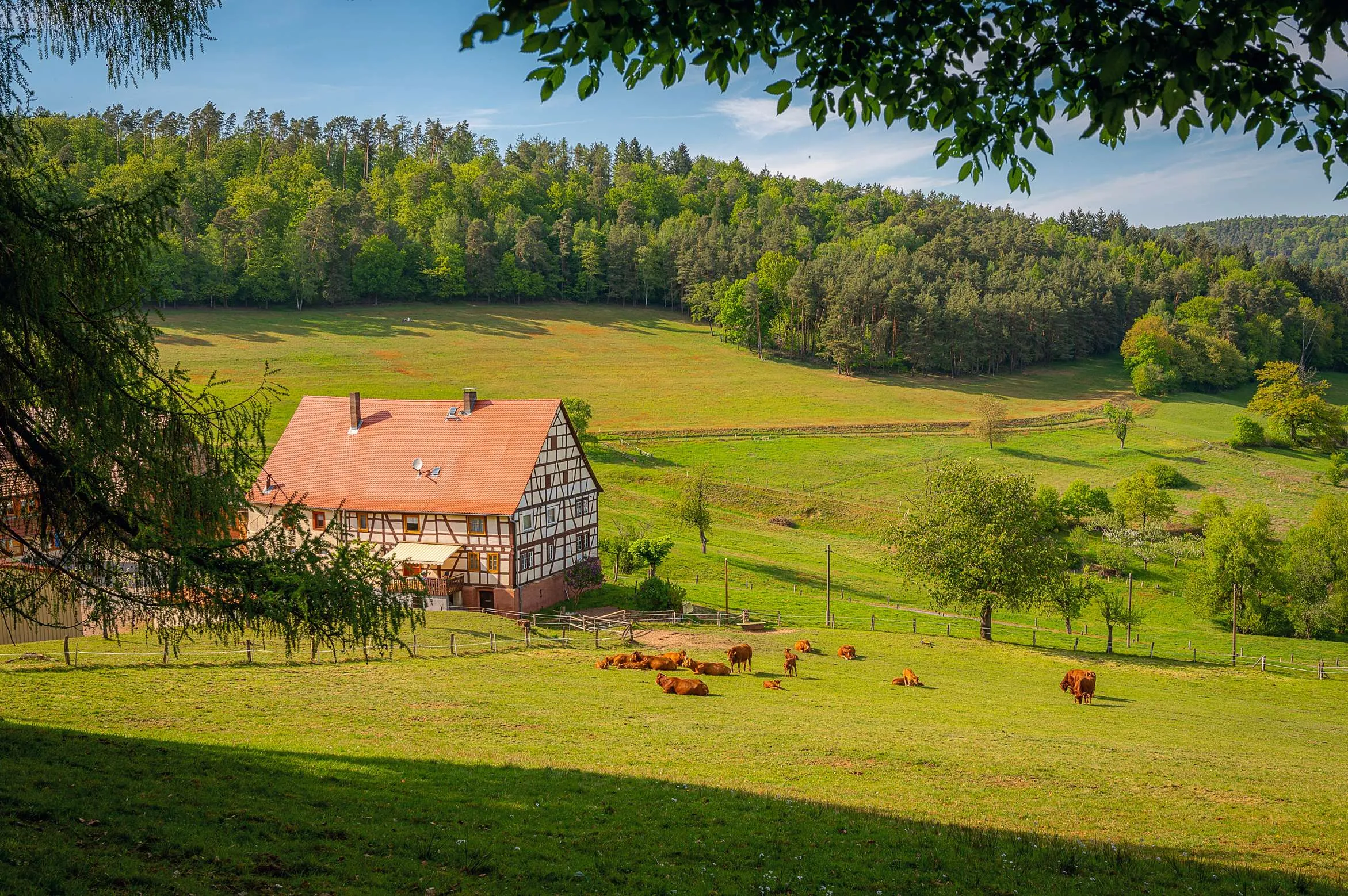


Modern life moves fast. Notifications never stop, workdays stretch longer than planned, and even leisure often feels scheduled and rushed. Over time, this constant stimulation leads to chronic stress and emotional exhaustion — commonly described as burnout. While short breaks and digital detoxes help momentarily, nature-based stays offer something deeper: a genuine reset for the nervous system.
Nature-based stays are not defined by luxury or amenities alone. Their true value lies in location, rhythm, and sensory experience. Whether set amidst forests, hills, farms, or near water bodies, these stays place individuals back into environments the human mind evolved to feel safe within.
The Science Behind Nature and Stress Reduction
Research across psychology and neuroscience consistently shows that natural environments reduce cortisol levels, slow heart rate, and improve emotional regulation. Exposure to greenery, natural light, and organic soundscapes activates the parasympathetic nervous system — the body’s “rest and digest” mode.
Urban environments, by contrast, keep the brain in a constant state of alertness. Traffic noise, artificial lighting, crowds, and digital screens trigger low-level stress responses throughout the day. Nature reverses this pattern by offering visual softness, rhythmic movement, and predictable cycles.
Simply watching leaves move in the wind or water ripple gently allows the mind to shift from problem-solving mode into observation mode — a state closely linked to mental restoration.
Slower Rhythms and the Absence of Urgency
One of the most powerful aspects of nature-based stays is the absence of urgency. There are no fixed schedules demanding attention, no constant reminders to be productive. Days tend to unfold slowly — guided by daylight, weather, and bodily cues rather than clocks.
This slower rhythm allows the nervous system to recalibrate. Sleep improves naturally as exposure to daylight and darkness aligns the body’s circadian rhythm. Meals are eaten more mindfully. Conversations become unhurried. These small shifts collectively reduce mental fatigue.
Burnout often stems not from overwork alone, but from prolonged periods without mental rest. Nature provides rest not through inactivity, but through gentle engagement.
Sensory Healing Beyond Visual Beauty
Nature-based stays engage all five senses in restorative ways.
Sounds like birdsong, rustling leaves, flowing water, or distant wind replace mechanical noise. These natural frequencies are processed by the brain as non-threatening, allowing mental tension to dissolve.
Smells from soil, trees, rain, and fresh air stimulate memory and emotion centres linked to calm and familiarity. Touch — walking barefoot on grass, stone, or sand — grounds the body physically, anchoring attention to the present moment.
Even taste changes when meals are simple, warm, and unhurried. Together, these sensory experiences interrupt patterns of overthinking and emotional overload.
Disconnection That Feels Natural, Not Forced
Unlike digital detox retreats that enforce strict rules, nature-based stays encourage disconnection organically. Network signals weaken, screens feel less relevant, and attention naturally shifts outward.
This unforced disconnection is key. When individuals are not told to disconnect but instead feel less compelled to connect digitally, the mental resistance associated with detoxing disappears. The mind relaxes into presence rather than struggling against habit.
Over time, this reduces information fatigue — a major contributor to modern burnout.
Rebuilding Emotional Resilience
Burnout often leaves people feeling emotionally flat, irritable, or detached. Nature helps rebuild emotional resilience by reintroducing small moments of wonder and grounding.
Watching sunrise through mist, listening to rain at night, or noticing subtle changes in light during the day reawakens emotional sensitivity. These experiences may seem simple, but they restore the brain’s capacity for appreciation and reflection.
Nature also provides perspective. Problems that feel overwhelming in confined urban settings often feel lighter when placed against vast landscapes or quiet natural surroundings.
Why Short Nature Breaks Still Matter
Even brief stays in nature can significantly reduce stress markers. Studies show measurable improvements in mood and focus after just two to three days in a natural environment.
What matters is not duration alone, but quality of exposure — uninterrupted time, minimal scheduling, and genuine immersion in surroundings. This makes nature-based stays particularly effective for professionals, caregivers, and individuals experiencing early signs of burnout.
FAQs
How long should a nature-based stay be to reduce stress?
Even a two- or three-day stay can reduce stress levels. Longer stays allow deeper recovery, but short breaks still provide measurable mental relief.
Do nature-based stays require structured wellness activities?
No. While yoga or meditation can enhance the experience, unstructured time in nature alone is often sufficient for stress reduction.
Are nature stays suitable for people with busy lifestyles?
Yes. Nature-based stays are especially beneficial for individuals with demanding schedules, as they counterbalance prolonged mental overload.
Can nature-based stays help with emotional burnout, not just physical fatigue?
Absolutely. Emotional exhaustion often improves through sensory grounding, slower rhythms, and psychological distance from daily stressors.
Is complete digital disconnection necessary to benefit?
Not necessarily. Even partial reduction in screen time combined with natural surroundings can significantly reduce stress and mental fatigue.