
Wellness travel is often associated with modern spas, minimalist architecture, and curated routines. Yet, some of the most restorative experiences emerge not from newness, but from history. Heritage homes — with their layered pasts, architectural depth, and lived-in warmth — offer a form of wellness that is subtle, emotional, and deeply grounding.
Unlike contemporary accommodations designed for efficiency, heritage homes invite guests into spaces shaped by time, tradition, and memory. This difference profoundly influences how people feel, rest, and reflect during their stay.
The Emotional Comfort of Timeless Spaces
Heritage homes carry a sense of continuity. Thick walls, natural materials, handcrafted details, and time-worn finishes create environments that feel safe and enveloping. Psychologically, such spaces reduce sensory overload.
Modern environments often prioritise sleek surfaces, sharp lines, and uniform lighting. While visually impressive, they can feel impersonal. Heritage spaces, by contrast, are imperfect in human ways. These imperfections foster emotional comfort and familiarity, allowing guests to relax more fully.
Wellness begins when the mind feels held rather than stimulated.
Architecture That Encourages Slowness
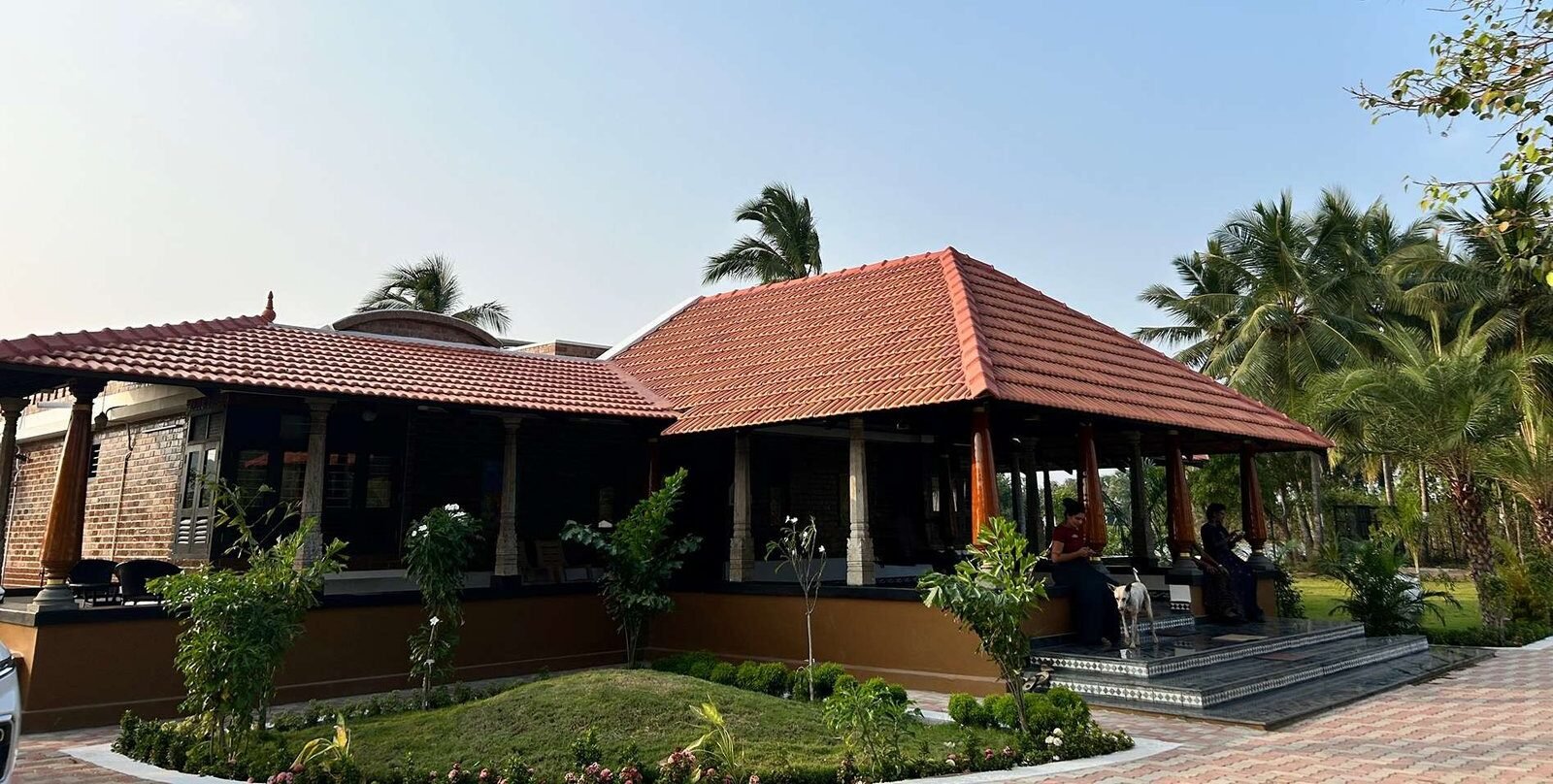
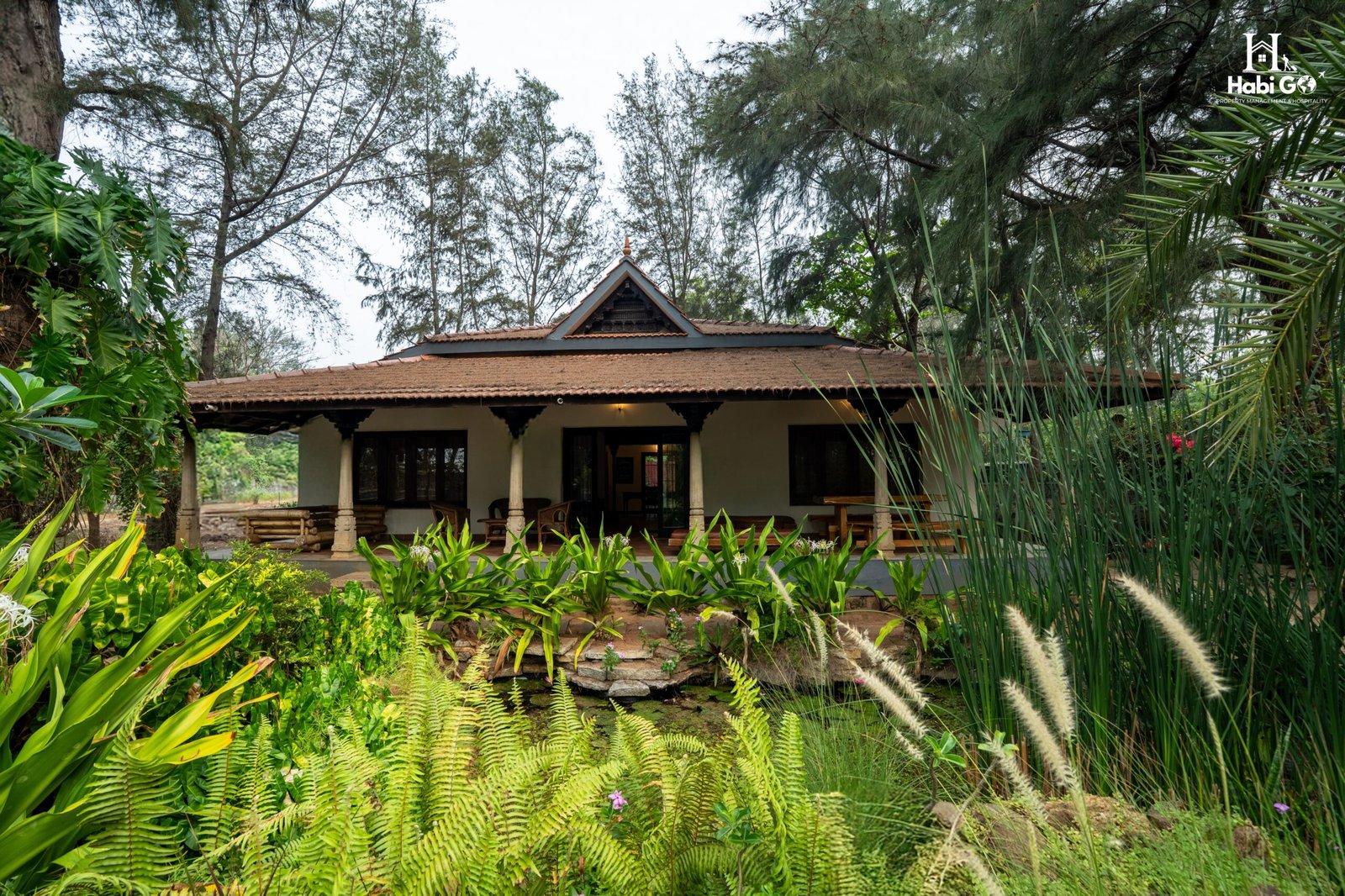
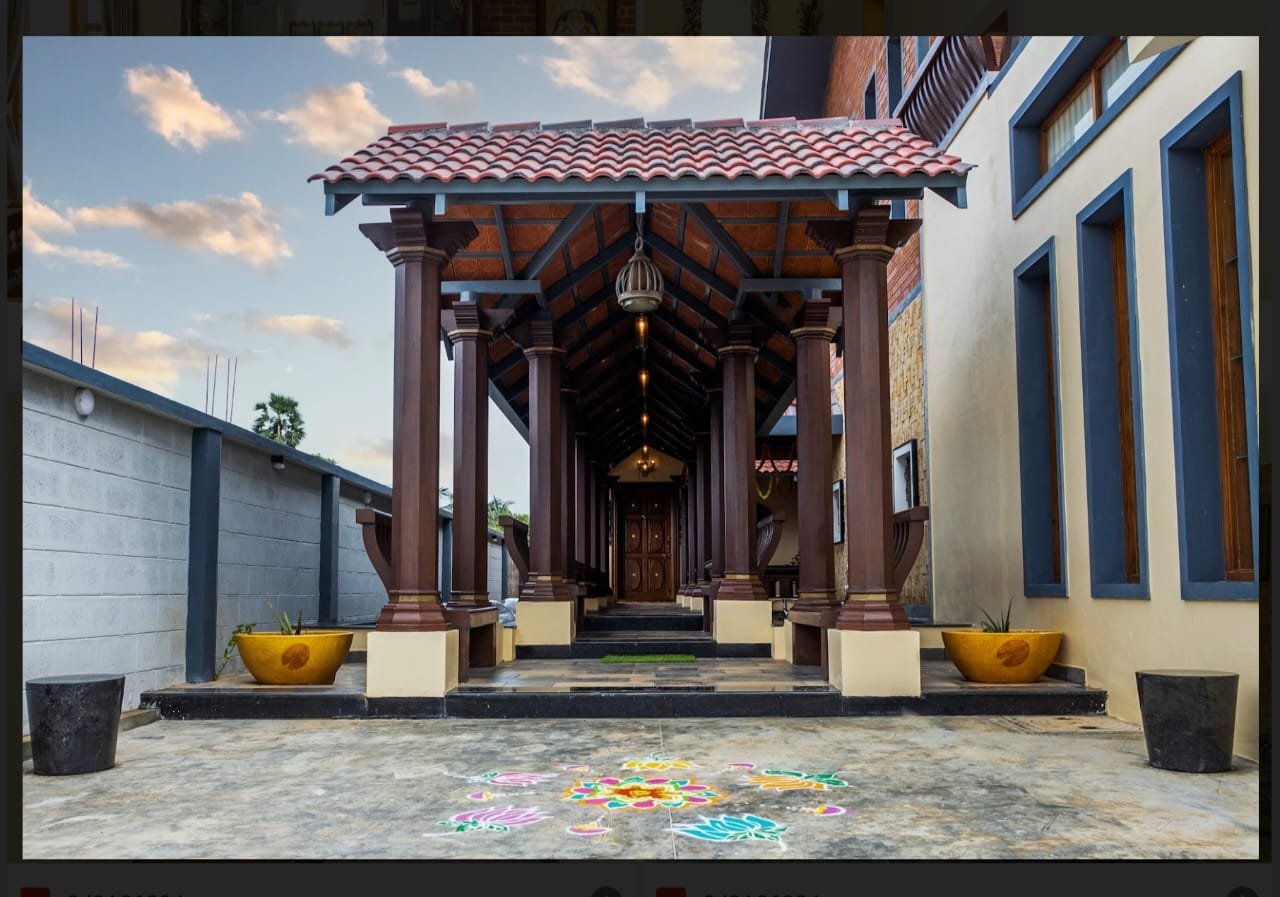
Heritage homes were built in eras where time moved differently. Layouts encourage lingering — wide verandas, inner courtyards, thick wooden doors, and shaded windows all slow movement naturally.
These architectural elements influence behaviour. Guests tend to walk slower, sit longer, and observe their surroundings more attentively. Without realising it, they shift into a calmer pace aligned with mindful living.
Slowness is not forced; it is embedded into the space itself.
Connection to Culture and Place
Staying in a heritage home deepens one’s connection to local culture. The materials, layout, and design reflect regional climate, traditions, and social customs.
This sense of place adds meaning to the travel experience. Rather than feeling like a temporary visitor, guests feel part of an ongoing story. Such connection nurtures emotional grounding and reduces the feeling of displacement that sometimes accompanies travel.
Wellness is enhanced when people feel rooted, even briefly.
The Role of Story in Emotional Well-being
Heritage homes often carry stories — of families, eras, craftsmanship, and change. Even when these stories are not explicitly told, they are felt through the space.
Storytelling has therapeutic value. It encourages reflection, perspective, and emotional depth. Being surrounded by environments that have endured time reminds guests that challenges, transitions, and rhythms are part of human experience.
This perspective can be especially healing for individuals navigating personal or professional transitions.
Sensory Balance and Natural Materials
Many heritage homes rely on natural materials such as stone, wood, lime plaster, and clay. These materials regulate temperature naturally and interact gently with light and sound.
Rooms feel quieter. Temperatures remain stable. Light enters softly rather than harshly. These sensory conditions reduce cognitive strain and support rest.
Wellness here is not about stimulation, but about balance.
Why Heritage Homes Feel More Personal
Unlike standardised accommodations, heritage homes feel personal because they once were. The scale is human, the spaces are intimate, and the details carry intention.
This personal quality fosters emotional safety. Guests feel less observed, less evaluated, and more at ease being themselves. Such psychological safety is essential for genuine rest and emotional recovery.
FAQs
Are heritage homes suitable for wellness travel?
Yes. Their calm architecture, natural materials, and emotional depth make them ideal for restorative travel experiences.
Do heritage homes offer modern comfort?
Most heritage stays balance historical character with essential modern comforts, ensuring both authenticity and ease.
Why do heritage spaces feel more relaxing than modern ones?
Their slower layouts, softer materials, and lived-in atmosphere reduce sensory overload and promote mental calm.
Is staying in a heritage home emotionally beneficial?
Yes. Connection to history, culture, and story enhances emotional grounding and reflection.
Are heritage homes suitable for longer stays?
Many are. Their homely scale and natural comfort often make extended stays more enjoyable and calming.