

Tamil Nadu tourism is often introduced through its great temples—and rightly so. But if you’ve travelled even a little across the state, you’ll know the real magic isn’t limited to sacred architecture. It’s in early-morning coastal roads, quiet heritage towns, hillside air that slows your breath, village rhythms that reset your mind, and stays that feel like a pause button on everyday life.
This guide is for travellers who don’t want to “cover everything.” It’s for those who want to experience Tamil Nadu—gently, deeply, and with intention. You’ll find nature-led routes, culture beyond monuments, and practical ways to plan a calmer trip.
Nature-Led Tamil Nadu Tourism — Coast, Hills & Countryside
The Coastline You Can Actually Slow Down In
Tamil Nadu’s coastline isn’t just about busy beaches. It has long, quiet stretches where time behaves differently—especially when you travel early, avoid peak hours, and choose stays that are closer to nature than crowds.
ECR and the “soft travel” advantage
The East Coast Road (ECR) is not a destination; it’s a travel mood. If you treat it like a slow corridor—stopping for views, local food, and small detours—you’ll experience a more grounded version of Tamil Nadu tourism.
What to do slowly:
- Watch sunrise without a checklist
- Choose a beach stretch where you can sit longer than you click photos
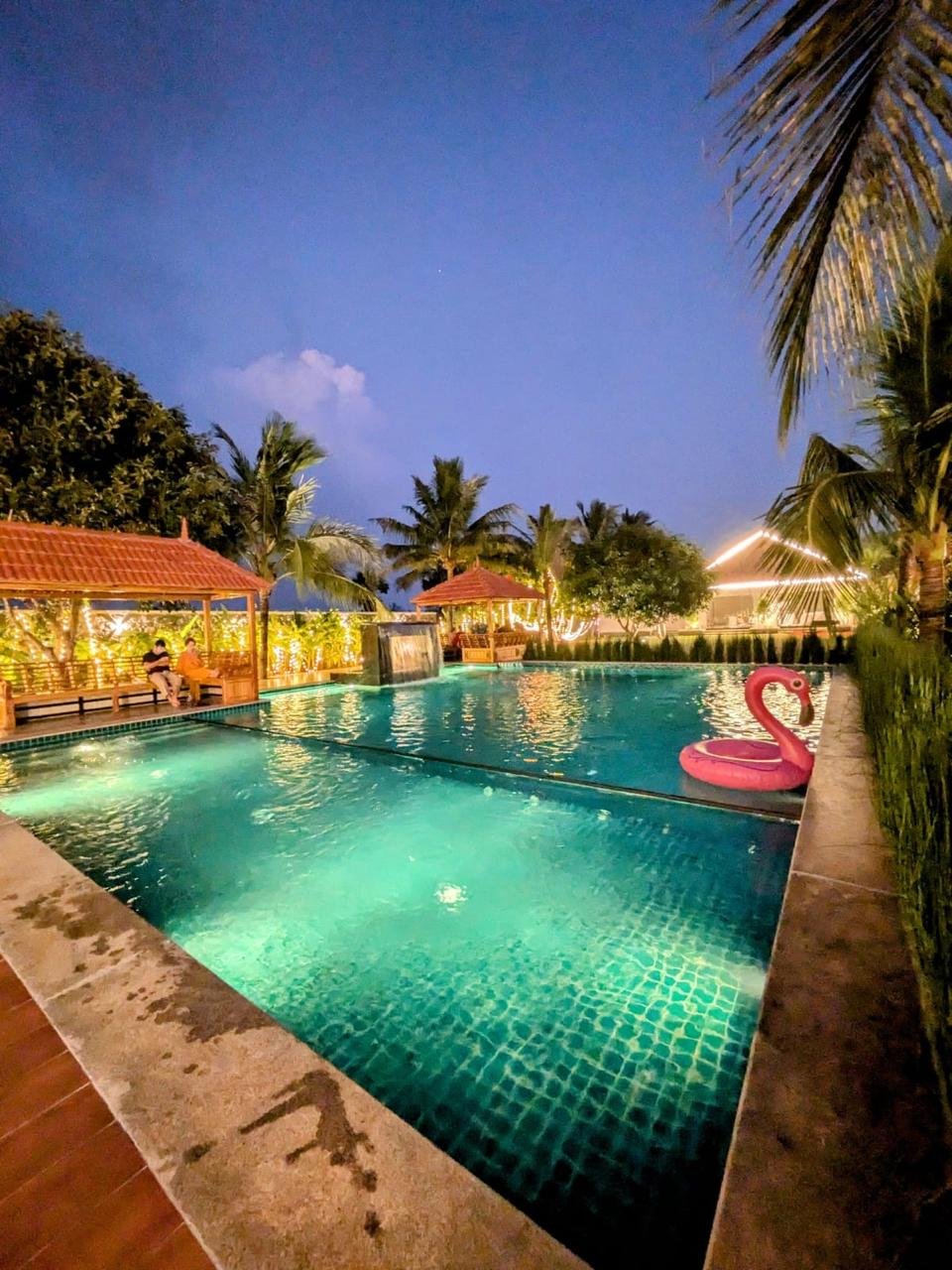
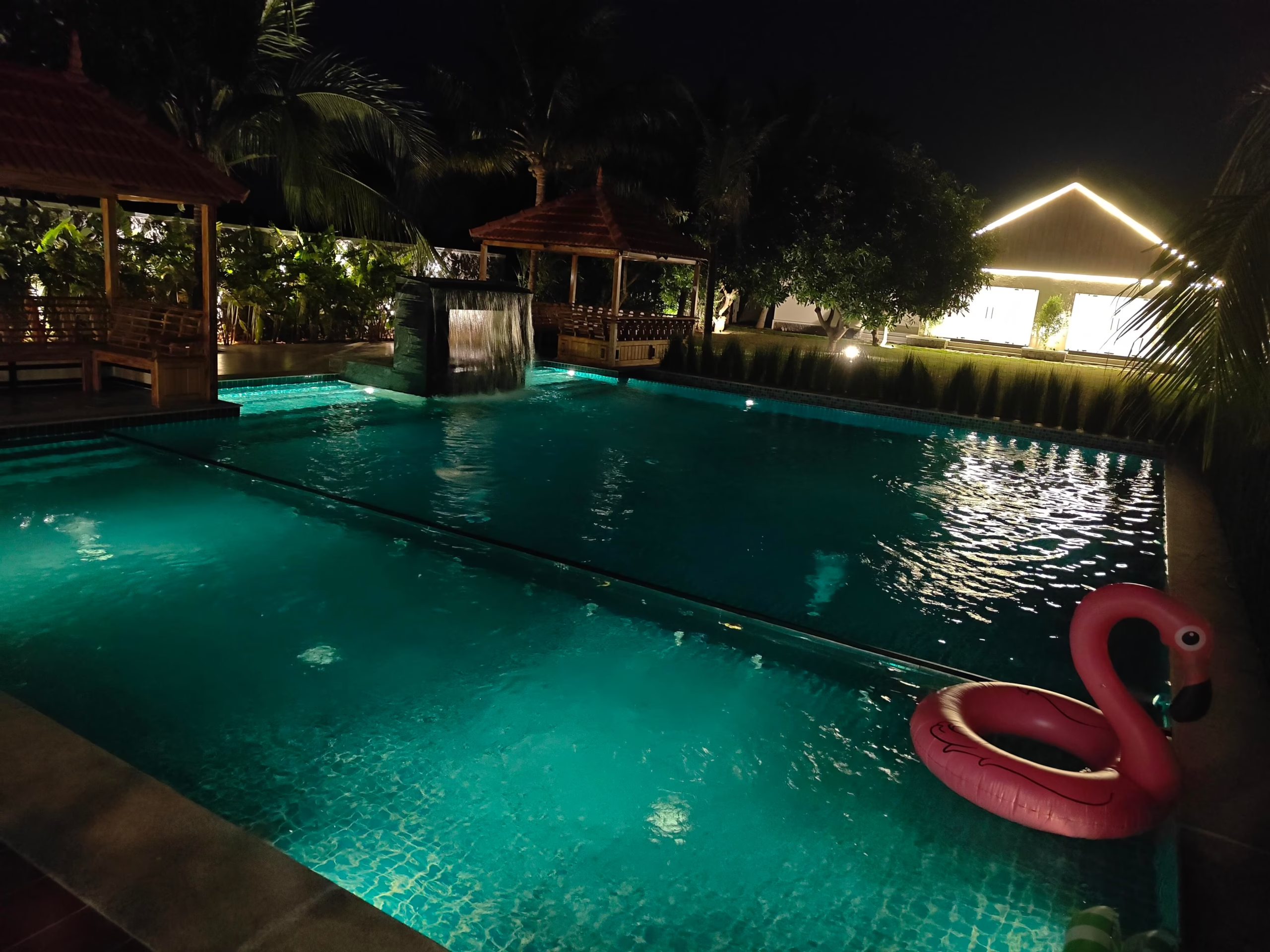
- Spend an evening in warm lights, outdoor spaces, and open air dinners
Mahabalipuram beyond the headline spots
Mahabalipuram is famous for its heritage, but its real charm shows when you step away from the “must-see” sprint. Walk through lesser-crowded lanes, explore the shoreline at low tide, and give yourself time to feel the place rather than just capture it.
Slow traveller tip: visit early morning or late afternoon and keep one “no-plan” hour.
Hill Stations That Feel Restorative, Not Rushed
Tamil Nadu’s hills are not only scenic—they can be deeply restorative if you stop treating them like weekend race tracks. When you plan fewer viewpoints and more time in one base, the hills become a reset.
The Nilgiris for quiet nature and long walks
Ooty and Coonoor can get crowded, but the Nilgiris still offers slow travel experiences—tea country walks, calm viewpoints, misty mornings, and simple local meals that feel like comfort.
How to slow it down:
- Choose one region (Ooty or Coonoor) instead of both
- Keep “walking time” in your itinerary
- Prefer stays with views, gardens, or open spaces
Yercaud and Kodaikanal for a gentler pace
If you’re looking for Tamil Nadu tourism that feels quieter and more reflective, these places can work well—especially when you avoid peak dates and focus on lakeside calm, forest roads, and relaxed day rhythms.
Countryside Experiences That Bring You Back to Yourself
The countryside is where Tamil Nadu tourism becomes personal. It’s not a “place you visited.” It’s something you felt.
Farm stays and rural landscapes
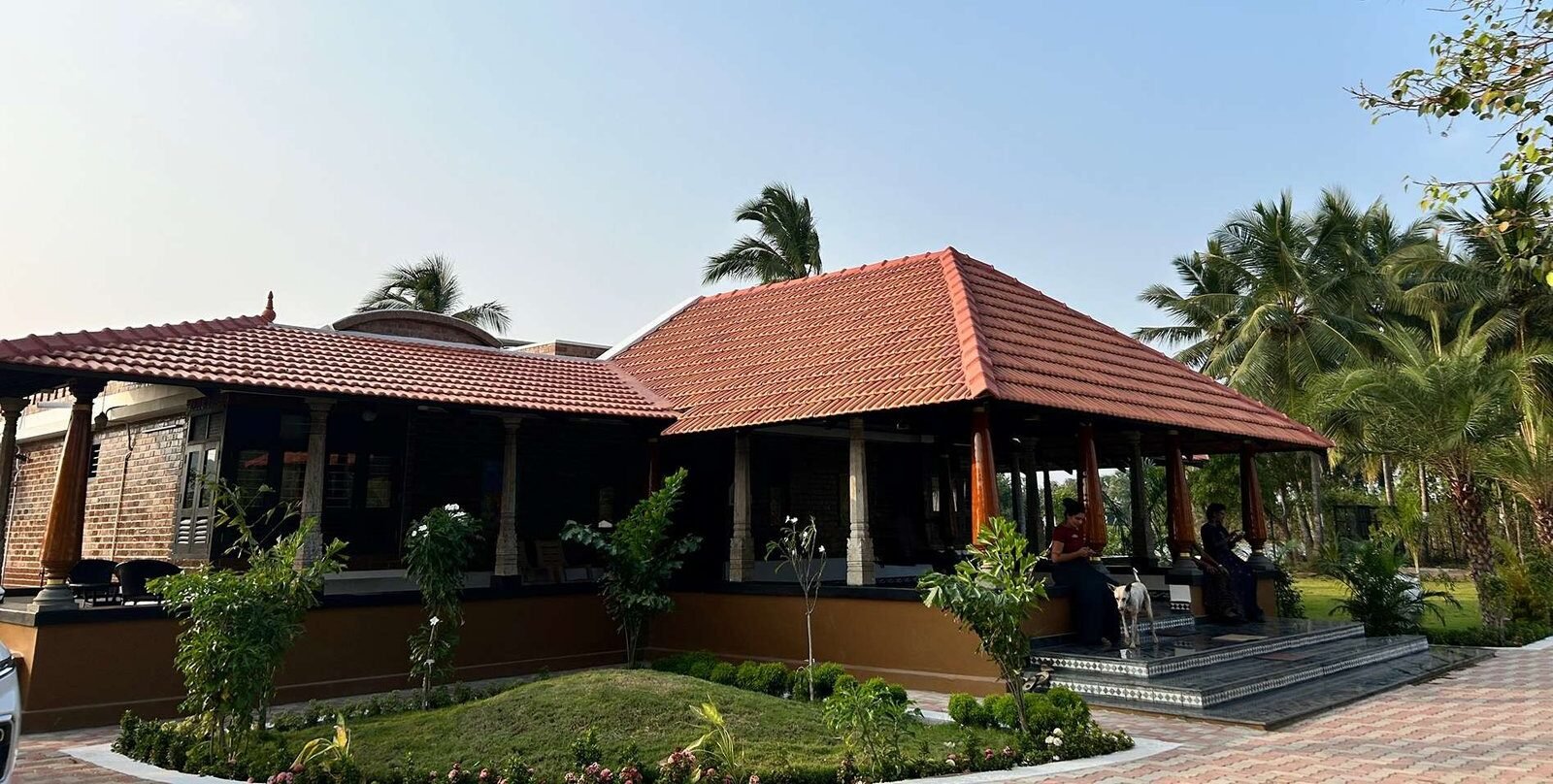
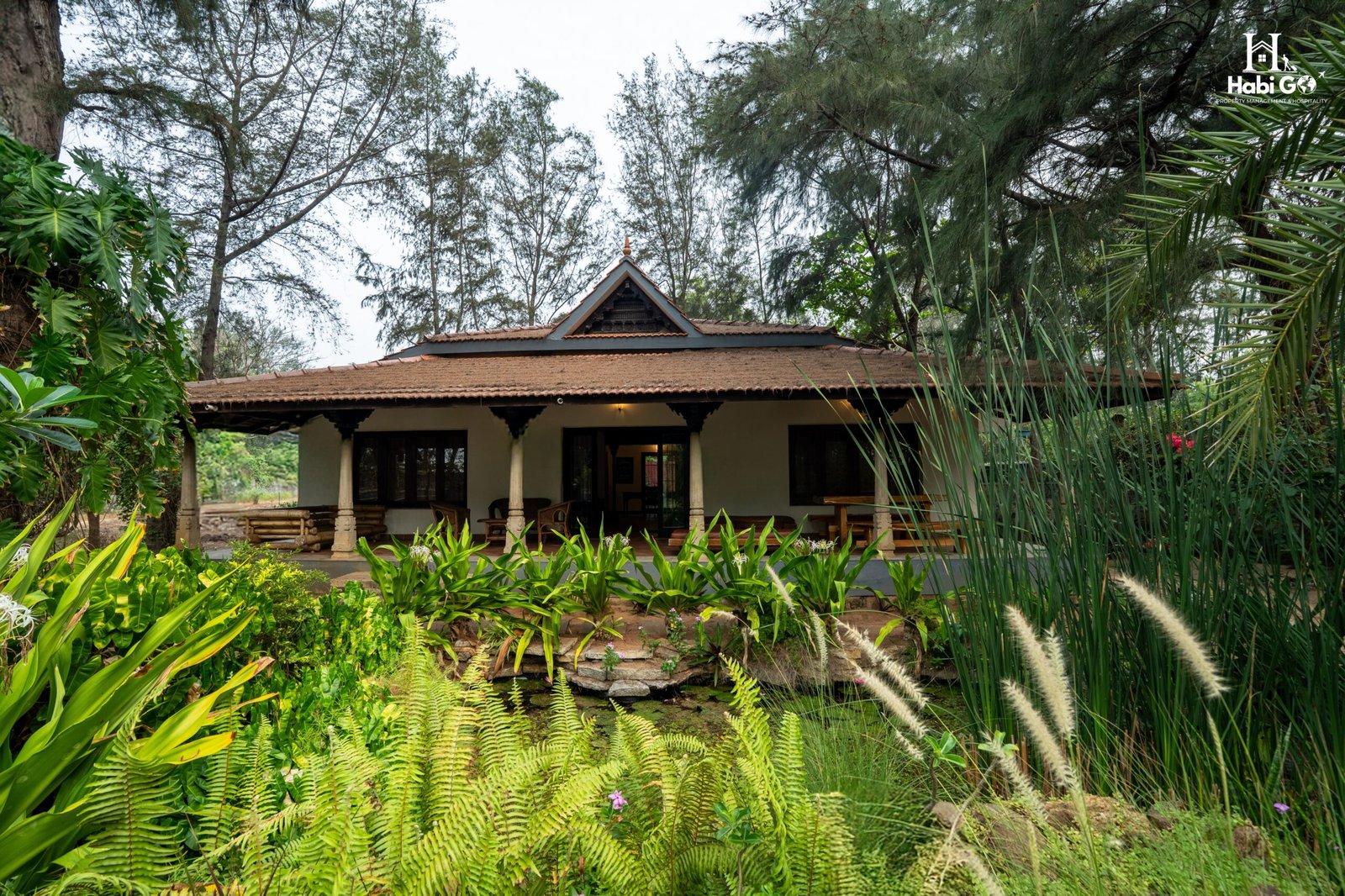
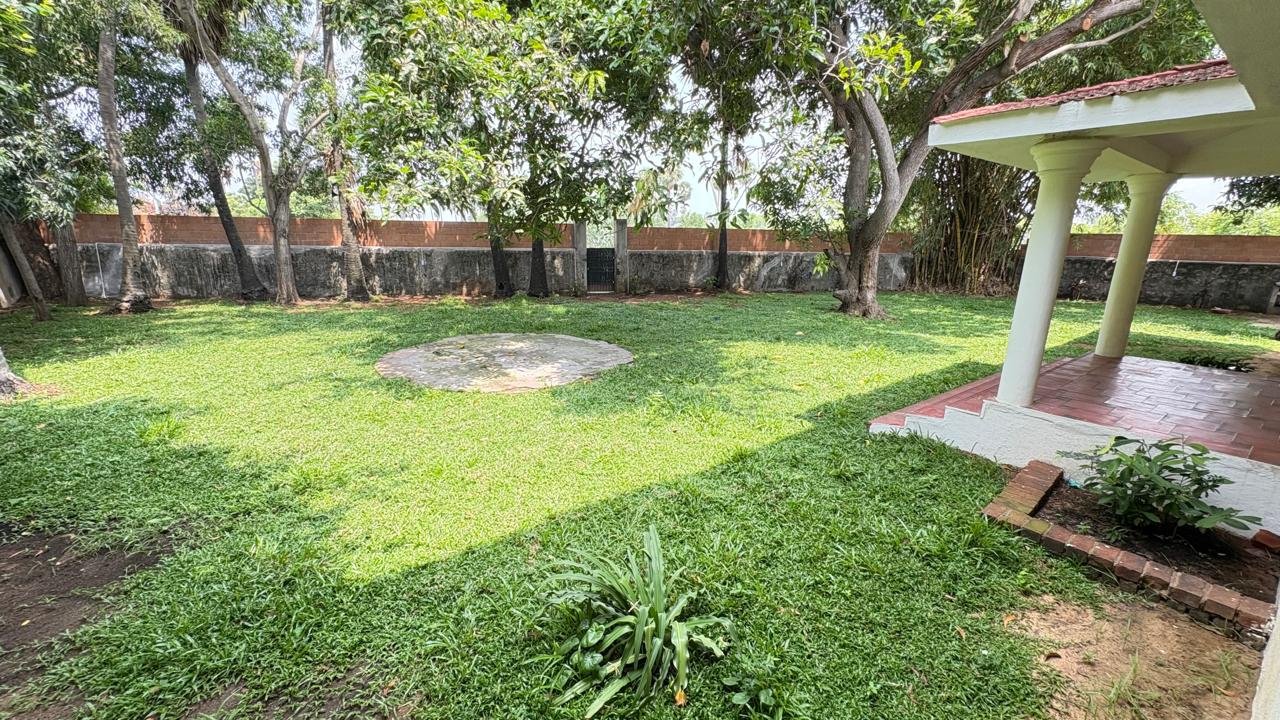
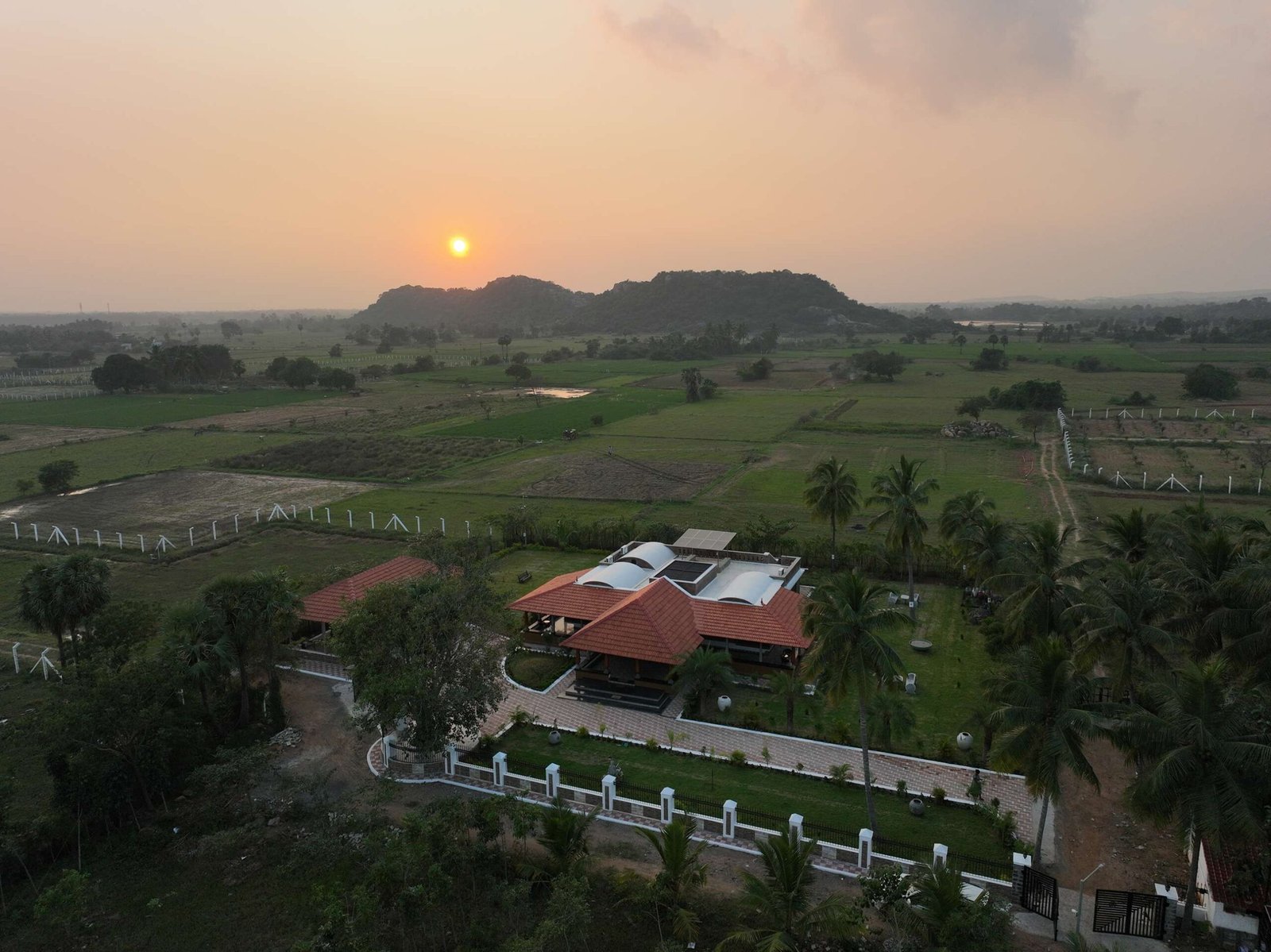
When your stay is surrounded by greenery, open skies, and slower routines, your travel naturally becomes more mindful. These are ideal for:
- families who want space and privacy
- small groups who want quality time
- couples who want calm without noise
Simple experiences that feel meaningful
You don’t need a packed activity list for a rich travel day. In rural Tamil Nadu, the smallest experiences can carry the most value:
- a long tea conversation
- a local food trail
- a quiet sunset viewpoint
- a walk through fields without a phone in hand
How to Plan Nature-First Tamil Nadu Tourism
Tamil Nadu is large, diverse, and easy to over-plan. The secret is not “more places.” It’s better flow.
Pick one travel style first
Before choosing destinations, decide your travel style:
- Coastal slow travel
- Hills + nature walks
- Heritage town immersion
- Countryside reset
- Mixed route with one anchor stay
Use the 60/30/10 itinerary rule
A simple slow travel rule:
- 60% time for rest + open time
- 30% for planned experiences
- 10% for spontaneous detours
It keeps Tamil Nadu tourism from becoming exhausting.
Heritage Beyond Monuments — Culture, Towns & Unhurried Living
Heritage Towns That Reward Time, Not Speed
Tamil Nadu’s heritage isn’t only “what you see.” It’s also how people live—crafts, food, language, and daily rituals that remain beautifully intact.
Chettinad for architecture, food, and story-filled streets
Chettinad doesn’t require a long checklist. It needs time, curiosity, and unhurried walks. The scale of the homes, the textures, the details, and the cuisine make it one of the richest heritage experiences in Tamil Nadu tourism.
Slow traveller tip: plan a relaxed afternoon for exploring one area deeply instead of hopping across multiple spots.
Thanjavur region for art, culture, and classical depth
Even if you’re not a history enthusiast, this belt can feel profound when you experience it slowly—local art forms, cultural continuity, and calm mornings that feel grounded.
Food as a Cultural Journey
Food is not a “break between sightseeing.” In Tamil Nadu tourism, food is a form of heritage.
What slow travel food looks like
- local breakfasts that don’t feel rushed
- one speciality meal per day instead of multiple “food hunts”
- traditional sweets as small discoveries
- seasonal local dishes rather than generic menus
The best food moments are usually unplanned
Often, the best meals arrive when you take a detour, stop at a simple local place, or ask a local for a recommendation. Leave room for that.
Festivals and Cultural Seasons That Transform Your Trip
If you can align travel with cultural seasons, Tamil Nadu tourism becomes richer.
Plan for the mood, not just the event
Some seasons bring:
- more cultural energy
- more crowds
- higher prices
- limited availability
Slow travel planning means choosing what matters to you:
- Do you want vibrant cultural energy?
- Or do you prefer quieter landscapes and more privacy?
Both are valid—just plan consciously.
The Slow Travel Mindset for Tamil Nadu Tourism
Slow travel is not “doing less.” It is “doing what matters.”
Signs you’re planning too fast
- more than 2 major destinations in 4 days
- daily long drives without rest blocks
- “must-see” lists with no open time
- late-night check-ins followed by early starts
A slow travel plan that works
- choose one anchor stay where you can truly rest
- build short excursions around that base
- avoid constant packing/unpacking
- prioritise mornings and evenings over midday rush
FAQs
Not at all. Temples are a major highlight, but the state also offers coastline drives, hill stations, countryside experiences, heritage towns, local food trails, and slow travel stays that feel deeply restorative.
Choose fewer destinations and spend longer in each. Keep open time in your itinerary, plan shorter drives, and stay in places that offer privacy, nature, and a relaxed setting rather than crowded tourist zones.
The ECR coastline, Mahabalipuram surroundings, the Nilgiris (Ooty/Coonoor), Yercaud, Kodaikanal, and countryside routes near heritage regions are all excellent—especially when planned as slow travel.
A meaningful slow travel itinerary usually starts from 4–6 days for one region, and 8–12 days if you want a multi-region route (for example: coast + countryside or hills + heritage).
Yes. Families often benefit the most from slow travel—more space, fewer rushed transitions, and stays with open areas where kids can move freely and adults can actually rest.
Look for nature-led stays, farm stays, heritage-style properties, private villas, and calm retreats that prioritise space, privacy, and an unrushed environment.
Absolutely. The key is to pick one anchor region and plan short cultural/nature excursions around it, instead of constantly switching bases.
Trying to “cover everything.” Tamil Nadu is large, and over-planning leads to long drives, rushed sightseeing, and travel fatigue. A calmer plan often creates a better experience.